Picture this: It’s game day, and a young goalkeeper is struggling to grip the ball securely. Their gloves feel clumsy and unresponsive, fingers slipping inside the fabric with every save attempt. Frustration mounts, confidence dwindles, and performance suffers—all because the gloves don’t fit properly.
Finding the right glove size isn’t just about comfort—it’s a critical factor in maximizing control, ensuring safety, and building confidence on the field. Ill-fitting gloves can lead to mishandling, distractions, and even injuries, especially to the fingers and hands.
This guide will walk you through the essential steps to determine the perfect fit for goalkeeper gloves, helping you or your player perform at their best. We’ll cover measuring techniques, key sizing considerations, and practical tips to ensure a secure, confident fit every time. Let’s get started.
Measuring Your Hands
Measuring your hands is the first step in finding soccer goalie gloves that fit like they were made for you. Here’s a detailed guide to ensure accuracy:
Measuring Hand Length
Hand length is typically the most reliable method for determining your glove size. Follow these steps:
What you need: A ruler or measuring tape.
How to measure: Place your hand flat, palm up. Measure from the tip of your middle finger to the bottom of your palm (where it meets the wrist).
Rounding and sizing: Round your measurement up to the nearest half-inch. Add 1 to this number to determine your glove size.
For example, if your hand measures 7.5 inches, round to 8 and add 1. Your glove size is a 9.
Measuring Hand Circumference
Hand circumference is another useful measurement, especially if your hands are wider.
What you need: A soft measuring tape.
How to measure: Wrap the tape around the widest part of your palm, just below your knuckles, excluding your thumb.
Rounding and sizing: Round this measurement to the nearest whole inch and add 1 to find your glove size.
Measure Both Hands
Not all hands are created equal—your dominant hand is often slightly larger. Measure both hands and use the larger measurement for sizing. This ensures the soccer goalie gloves fit comfortably without feeling tight or restrictive.
General Fit Guidelines
Goalkeeper gloves should be slightly larger than your hands. Aim for about ¼ to ½ inch of space between your fingertips and the glove’s tips. A glove that’s too tight may restrict movement, while excessive space can make the gloves feel sloppy.
Special Considerations for Youth Gloves
Sizing youth gloves can be tricky, as different brands and models vary widely. What’s more, with youth goalie glove sizing, you can not round up and add an inch. The junior goalkeeper's glove would be way too big. True youth goalkeeper gloves will be smaller and more narrow through the wrist closure and backhand. Below are some general basic youth goalkeeper glove sizing guidelines.
Youth Size 4–5: Small youth (ages 7–9, height 4’6”– 4’8”).
Size 6–7: Medium youth to small female goalkeeper (ages 10–12, height 4’10”– 5’0”).
Adult size 7: Large youth/small adult (height 5’2”– 5’4”). Hand measurement of 6.75 to 7 inches or less.
True Youth Gloves
Reusch Attrakt Freegel Gold Finger Support Junior
Elite Sport Warrior
Uhlsport Absolutgrip HN Pro Jr
Full-Size Range with Smaller Sizes
These size youth 4 5 and 6 will fit bigger than “Junior” specific glove options:
Elite Sport Squid: This Elite Sport goalkeeper glove has a full-size run from size 5 through adult size 11. This will be bigger than a youth or junior glove in Adidas, Reusch, or Uhlsport.
The One Glove OG1 Type-R: The Type R has a sizing range from a smaller youth or female size 6 through the adult sizing of 7 8 9 10 and 11. The Type R is a more narrow-fitting glove but would be longer than a true junior-size 6.
Practical Tip
If you can’t try on gloves in-store, always measure carefully and use Keeperstop’s resources—like sizing videos and expert support—to make informed decisions. Proper sizing is critical to your performance and comfort on the field.
Understanding Size Charts
Why Brand-Specific Charts Matter
Goalkeeper glove sizes aren’t universal—each brand has its own sizing system, and the fit can vary significantly between manufacturers. For instance, a size 7 from Reusch might feel snug, while the same size from Uhlsport could have more room. Using the specific size chart for the brand you’re purchasing is essential to ensure accuracy.
How to Interpret Size Charts
Most size charts list glove sizes alongside hand measurements, typically in inches or centimeters. Here’s how to decode them:
Hand Length: Some charts use hand length as the primary reference. Compare your measurement (middle fingertip to wrist base) with the chart to find your size.
Hand Circumference: Other charts focus on hand circumference (measured around the widest part of your palm). Locate your measurement in the chart to identify your size.
Youth vs. Adult Sizes: Be aware of distinctions between youth and adult sizing. Youth sizes often start smaller and may have unique cuts for smaller hands.
Fit Type: Some brands include details about the fit—tight, regular, or looser cuts—which can help you decide if you’re between sizes.
Examples from Popular Brands
Here’s an example of a quick comparison of size chart differences:
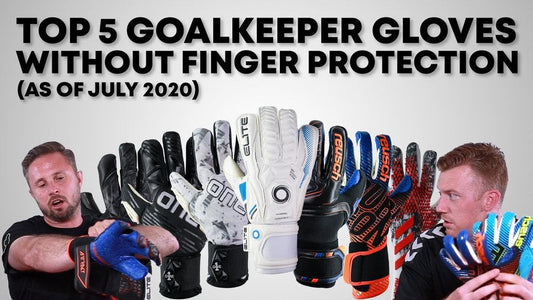
Elite Sport: Known for its versatility in cuts and materials, the Elite Sport Revolution II is a tighter streamlined fit that may be more appropriate for taller slender goalkeepers or keepers who like a tighter fit, while the Elite Sport Supreme is a negative cut that would fit a wider range of goalkeepers. The backhand and entry system on the Supreme, Squid, or Black Solo are not as narrow as the Revolution 2.
One Glove: With a modern, more minimalist approach, this may be the tightest of goalkeeper glove brands that Keeperstop.com stocks in the USA. The One Glove OG1 Midnight is a tighter second-skin feel with no extra room. It was definitely designed for thinner or taller advanced male and female goalkeepers. There is no extra room in the One Glove Midnight or Type R by design.
Practical Tip
If you’re between sizes, consider the intended use. For training, a slightly looser fit may be acceptable, while game gloves should fit more snugly to optimize control and performance.
What Does the Perfect Fit Feel Like?
A properly fitted goalkeeper glove should feel snug but not restrictive. The fingers should have about ¼ to ½ inch of space at the tips, allowing for natural movement and optimal grip. The glove should contour to your hand, providing a secure feel without excess material bunching or sagging.
You should be able to make a fist easily without straining against the fabric, and the wrist closure should hold firmly without pinching or cutting into your skin. If the gloves feel uncomfortable during basic movements, they aren’t the right size.
Common Fitting Problems
Gloves Too Tight:
Issue: The gloves pinch, limit movement, or make your hands feel fatigued. This also decreases the durability of your goalkeeper gloves making your gloves wear out quicker at the fingertips.
Solution: Size up or look for a different brand or cut with a looser fit, such as a flat cut.
Gloves Too Loose:
Issue: Your fingers and hand slide around inside the glove, making it hard to control the ball. Goalkeeper gloves that are too big are also less durable as they wear inconsistently in the wrong places such as the middle of the finger body.
Solution: Size down or choose a cut like a negative cut, which provides a closer fit.
Issue: Gloves with finger protection feel restrictive or bulky.
Solution: Adjust the sizing or opt for a different style of finger protection with more flexibility.
Finger Protection Issues:
Troubleshooting Tips
If between sizes: Always go for the larger size. Slightly bigger gloves are more forgiving than tight ones, and adjustments can be made with glove tape or additional wrist straps.
Test grip: If you can’t grip the ball securely, the fit is likely wrong.
Reassess after break-in: Some gloves feel stiff initially but mold to your hand over time. Wear them during light training sessions to see if the fit improves.
Glove Types and Sizing
Choosing the right glove type is as much about sizing as it is about personal preference and play style. Each glove cut has unique characteristics that affect fit, so understanding these differences is essential for selecting the right size.
Negative Cut
Fit Characteristics: Negative-cut gloves have inward-stitched seams, creating a snug fit that hugs the fingers. This design reduces excess material for a more direct ball feel.
Sizing Tips: Stick to your exact measured size for a tight, responsive fit. If you prefer a bit of extra room, consider sizing up.
Best For: Goalkeepers who prioritize precision and control, often used by players with narrower hands.
Roll Finger
Fit Characteristics: Roll finger gloves feature seams rolled around the fingers, resulting in a more padded and cushioned feel. This design gives additional coverage and a secure fit.
Sizing Tips: These gloves are more forgiving in size, so you may not need to size up unless your hand is on the upper end of a measurement.
Best For: Keepers who want a more comfortable fit and enhanced grip surface.
Flat Palm
Fit Characteristics: Flat palm gloves have a traditional cut with a flat, single-piece palm design. They provide a looser fit and more room inside the glove.
Sizing Tips: If you prefer a tighter fit, consider sizing down. Otherwise, stick to your measured size for a relaxed feel.
Best For: Goalkeepers with wider hands or those who prioritize flexibility and comfort over a snug fit.
Hybrid Cut
Fit Characteristics: Hybrid gloves combine elements of two or more cuts—such as roll finger and negative cut—to balance fit, comfort, and control. The specific combination determines how the glove feels.
Sizing Tips: Depending on the hybrid’s design, sizing might lean toward either the tighter fit of negative cuts or the roomier feel of roll-finger or flat palm styles. Check brand-specific recommendations for guidance.
Best For: Players who want a balance of features, often experimenting to find their perfect fit.
Practical Tip
When selecting a glove type, consider how it aligns with your playing style and hand shape. Keeperstop.com offers expert advice and product reviews to help you make an informed decision. Accurate measurements and understanding of glove cuts will ensure your gloves feel like an extension of your hands.
Frequently Asked Questions About Sizing Soccer Goalie Gloves
What if my measurements fall between two sizes?
When your hand measurements land between two sizes, it’s usually better to size up. A slightly larger goalkeeping glove offers more comfort and flexibility, while a smaller glove may feel restrictive and lead to quicker wear. Remember, goalkeeping gloves should have about ¼ to ½ inch of space at the fingertips.
How do I account for growth in youth gloves?
Youth goalkeepers often grow quickly, making sizing a challenge. To accommodate growth:
Choose a size with a bit of extra room (up to ½ inch at the fingertips).
Look for gloves with adjustable wrist straps to ensure a secure fit as the hand grows.
Consider consulting Keeperstop.com for guidance on youth-specific gloves, as some brands run smaller or larger.
What should I do if my gloves feel too tight or too loose after a few uses?
Too Tight: Gloves might feel tighter initially but can stretch slightly with use. If they remain uncomfortable, try stretching them gently by wearing them during light training or opting for a different size or cut in the future.
Too Loose: If the gloves feel sloppy, you can improve the fit by using glove tape or choosing gloves with a tighter wrist closure system. However, excessively loose gloves might indicate the need for a smaller size.
How often should I measure my hands?
For youth players, measuring every season is advisable due to rapid growth. Adults may only need to measure once or twice a year unless switching brands or styles. Consistently checking ensures you get the right size, especially if you’re exploring gloves from a new manufacturer with different sizing standards.
Finding Your Perfect Fit
Selecting the right goalkeeper glove size is critical to ensuring peak performance. By accurately measuring your hands, understanding the nuances of glove cuts and sizing charts, and addressing common fitting issues, you can find gloves that feel like a natural extension of your hands. Whether you’re a youth player, a seasoned goalkeeper, or a parent shopping for your child, taking the time to get the fit right is an investment in your game.
Not sure where to start? Keeperstop.com is here to help. Explore our expert sizing tools, detailed guides, and a curated selection of gloves from top brands. For personalized advice, reach out to our knowledgeable team—we’re passionate about helping goalkeepers at every level succeed.


 Gloves
 Jerseys
 Gear
Gear
 Brands